Introducing Built to Work: A Framework for Designing Immigration and Integration Systems for Success
Throughout my career, I’ve found myself in very different rooms talking about different parts of the same challenge. I’ve met with governors and congressional staff about workforce shortages and economic competitiveness; with employers struggling to fill essential positions; with policymakers working to recognize the skills immigrant talent brings to the U.S. economy; and with workforce agencies expanding pathways to good jobs.
Those conversations often happen separately, but the challenges they address are deeply connected. A hospital struggling to hire enough doctors faces workforce, licensing, economic development, and immigration challenges at the same time. Sometimes, the qualified doctor is already here but encounters barriers to putting their education and experience to work. Other times, the question is whether immigration pathways are designed to connect needed talent with the communities and employers that are looking for it.
As demographic change reshapes the U.S. labor force, investments in the domestic workforce remain essential—but they will not be enough on their own to meet every workforce need. Immigration is an important part of the equation. Yet the systems that attract global talent, recognize skills and credentials, and connect people to good work are rarely designed together. Immigration pathways shape who can come and work; licensing and credentialing systems shape how people can use their education and experience; and workforce systems shape how talent connects to employers and opportunity. People and employers experience the effects of all of these systems at once, even when the systems themselves do not operate that way. If the challenges are connected, why are the solutions built separately?
A New Approach
WES brought together leaders from workforce development, immigration policy, business and industry, state and local government, adult education, and community-based organizations to share their expertise and explore different approaches. Many of these ideas build on work already happening across the country, such as efforts to address workforce needs and to help immigrants fully contribute to our economy and communities. Through these conversations, we considered how connecting immigration and economic integration efforts as parts of one system, rather than treating them as separate policy solutions, could create a more cohesive approach.
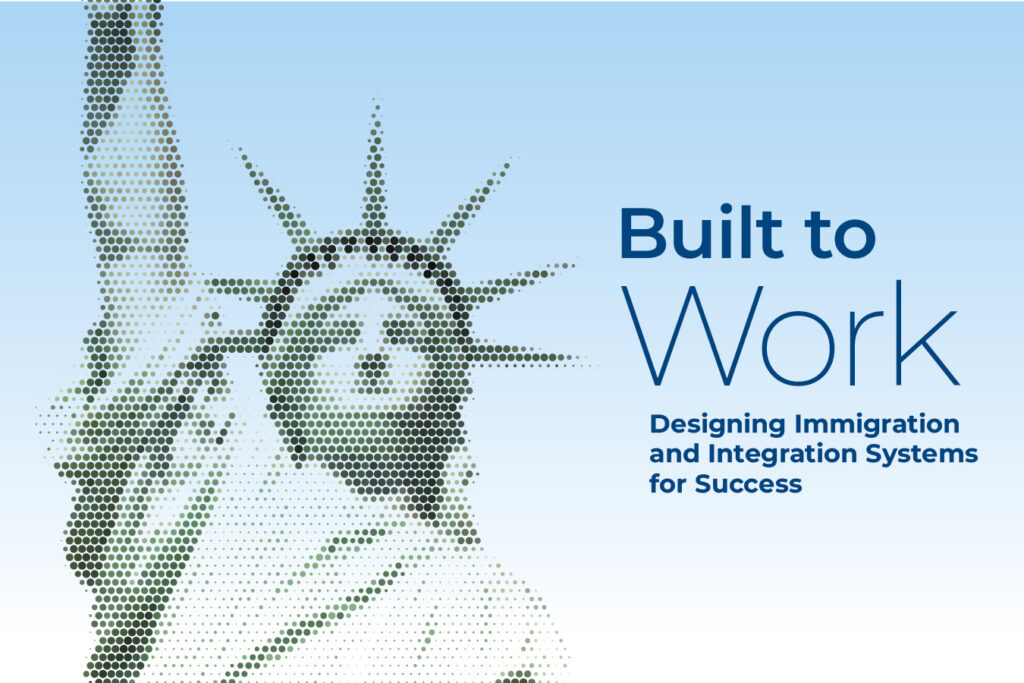
With Built to Work: A Framework for Designing Immigration and Integration Systems for Success, I’m excited to share the results of those conversations and the ideas we tested. The framework centers on a simple distinction: Immigration brings talent, and integration systems help unlock it—determining how effectively people can put their skills to work and connect to opportunity once here. Treated separately, these are two different policy conversations. Treated together, as parts of one economic system, they become something more powerful—infrastructure that recognizes talent, supports good work, connects workforce and economic needs with opportunity, and ensures that communities realize the full benefits of immigration.
What We’ve Learned Along the Way
While developing the framework, we’ve previewed and tested these ideas. We’ve written about the tools states already have to modernize integration systems and unlock immigrant talent to address their workforce and economic priorities. Seven states shared experiences navigating shortages and workforce needs. Their firsthand knowledge confirmed that workforce challenges are structural and best addressed when states are empowered to lead.
Building integration capacity is essential, but truly addressing workforce gaps requires further investments in talent. We must also attract new talent, with states, businesses, and industries helping identify where people are needed and can thrive.
As we observed our nation’s 250th anniversary, we reflected on immigrants as a common thread through American progress, especially in health care, where worker shortages are acute. As our population ages and our health care system faces mounting pressure, a commonsense path forward is clear: Modernize our immigration system, unlock talent already in our communities, and attract the health care professionals our country desperately needs.
Aligning Immigration and Integration
All of this builds up to one conclusion: When immigration and integration function as one economic system, everyone thrives. Many of the recommendations in the framework won’t feel revolutionary on their own. They are meant to be practical and customizable to meet each community’s different needs. What I hope feels new and additive is the approach itself: Treating integration and immigration as complementary strategies, with this framework serving as the connective tissue between them.
Built to Work is meant to be read as more than standalone ideas, such as creating a practical licensing guide for internationally trained professionals. I hope it will be read as a roadmap for systems-change leaders who understand that immigration ultimately succeeds or falls short in communities; that the systems surrounding people shape whether their talents can be fully realized, and that immigration is part of a broader workforce strategy. They know that states, local leaders, business and industry, workers, and community institutions have knowledge that should play a greater role in shaping policy and implementation.
I don’t expect every reader to agree with every recommendation. I hope that it sparks ideas and encourages conversations—and that we find a way to plug these ideas in where possible to make our economic and workforce systems work better for all Americans. We are offering it now because we believe this is the right time to view this issue through an economic lens. The United States will be more successful and competitive when it designs immigration and integration systems that work—for immigrants, for communities, and for the country.


Want to stay in the loop?
Sign up for our Newsletter. We’ll share updates, what we’re learning, and opportunities through our email list.